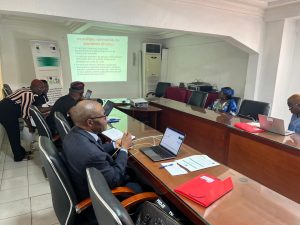
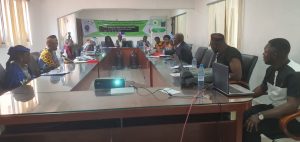
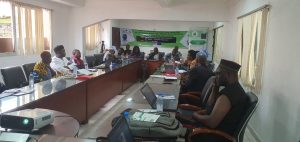
SNECFA Project: CNESS Dissemination Workshop in Mali
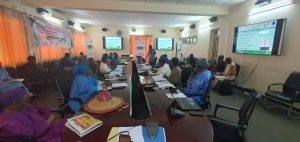
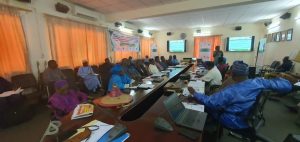
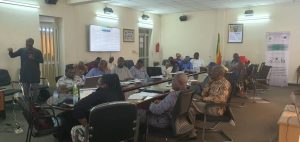
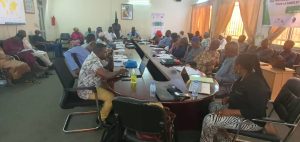
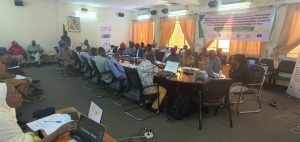
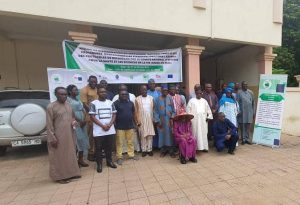 Bamako, Mali – The CNESS Dissemination workshop organized under the SNECFA project brought together key stakeholders in health research from Mali to disseminate the Standard Operating Procedures (SOPs) and TRREE national supplement developed for the country.
Key Objectives:
- Share knowledge and best practices in health research ethics.
- Disseminate the SOPs and TRREE national supplement to national and international stakeholders.
- Strengthen the capacity of the National Committee for Health and Life Sciences (CNESS).
- Foster collaboration among stakeholders in the health research community.
Key Discussions and Outcomes:
- CAMBIN’s Role: The workshop highlighted the role of CAMBIN in promoting ethical research practices in Africa and its collaboration with national ethics committees.
- CNESS SOPs: Participants discussed the CNESS SOPs, which outline the committee’s structure, functions, and review processes.
- TRREE National Supplement: The workshop introduced the TRREE national supplement for Mali, which provides guidance on ethical review and capacity building.
- Challenges and Recommendations: Participants discussed challenges faced by the CNESS, such as resource constraints and the need for capacity building. Recommendations were made to address these challenges, including strengthening the committee’s capacity, improving communication with researchers, and promoting ethical research practices.
Looking Ahead:
The workshop served as a valuable platform for knowledge sharing and capacity building in the field of health research ethics in Mali. By implementing the recommendations and utilizing the resources provided by the SNECFA project, the CNESS can further strengthen its ethical review processes and contribute to the advancement of ethical and responsible research in the country.

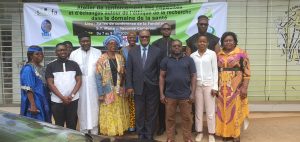 Yaoundé, Cameroon – A recent workshop organized by the SNECFA project brought together key stakeholders in health research from Cameroon to strengthen the capacity of the National Ethics Committee for Health Research on Humans (CNERSH). The event aimed to enhance the committee’s understanding of ethical principles, improve its review processes, and foster collaboration among stakeholders.