Category

Trainings

The SNECFA Project: Updates on the TRREE National Supplements of Four Countries

By News, TrainingsNo Comments

The SNECFA Project: Updates on the TRREE National Supplements of Four Countries in Francophone West and central African

Introduction

The project dubbed “Strengthening National Ethics Committees in Francophone West and Central Africa” (SNECFA), sponsored by the European & Developing Countries Clinical Trials Partnership(EDCTP) was anchored on the observation that there has been an significant increase in the number of health research projects in Francophone West and Central Africa without a corresponding improvement in the capacity of National Ethics Committees (NECs) to review research protocols due to the increasing complexity and new challenges arising from health research and evolving research ethics guidelines. Although National Ethics Committees (NECs) are a critically important component of the infrastructure required to support productive and dynamic health research, in Francophone Africa, NECs remain under-resourced and have not achieved the institutional maturity of their counterparts in Anglophone Africa. This calls for an urgent need to strengthen the capacity of NECs in Francophone West and Central Africa to support the timely and thorough review of research at all levels of the healthcare system.

Objective(s) of the Project

The overall objective of the SNECFA project was to strengthen the capacity of four NECs in West and Central Francophone Africa, namely Cameroon, Chad, Mali and Niger, with a special focus on drafting Standard Operating Procedures (SOPs) for the review of research protocols during routine and emergency health situations. To achieve this global objective, we targeted five specific areas that needed strengthening and divided the work into seven work packages.

In order to enhance the capacity of NEC members in the domain of health research and make the NECs more visible nationally and internationally, we organised i) customised training programmes tailored to need of each country and ii) supported them for registration or renewal of their Federal Wide Assurance (FWA) numbers. Secondly, to strengthen their day-to-day functioning, we supported the four NECs in writing SOPs for the review of research protocols during routine and emergency health situations. Thirdly, through the SNECFA project, we developed TRREE national supplements, for Niger and Chad, and revised those for Cameroon and Mali. Fourthly, we organised dissemination workshops to present the newly developed SOPs and TRREE national supplements to national and international stakeholders in the domain of health in each of these countries. Finally, we organised collaborative workshops to facilitate knowledge sharing and exchange between NECs in the region. In this news update, we focus on the TRREE national supplements of the four participating countries.

The TRREE National Supplements for Four Countries: Mali, Cameroon, Niger and Chad

The national supplements are regulatory frameworks which provide information on how the main ethical and legal issues raised by research involving human participants are addressed in the national laws and regulation of each country. The national supplements include a detail description of the legal framework, as well as a direct access to all the legal and regulatory provisions applicable in these countries. TRREE has a participatory website with international, regional and national regulatory and policy resources for the four SNECFA countries and as well as other countries in the region and beyond. For details on this, see the websites below.

Within the context of the SNECFA project, the national supplement for Cameroon and Mali were revised while those for Chad and Niger, who have never had national supplements before, were developed from scratch. In order to accomplish this task, two experts were recruited from each of the four participating countries by our partner, the University of Neufchatel, which hosts the Training and Resources in Research Ethics Evaluation (TRREE).These experts were recruited (in 2022) based on their proficiency in local regulations and biomedicine and health research ethics. Prior to commencing work, all experts underwent a comprehensive training program on the data collection instruments which took place in April 2023.

So far, the national supplements for three countries (Cameroon, Mali, and Niger) have been completed and posted on the TRREE website (see website below). The National supplement for Chad is complete and undergoing quality control and will be uploaded on the TRREE website once quality control is completed. More information on this can be obtained from the following websites, https://elearning.trree.org/course/view.php?id=48 (Niger), https://elearning.trree.org/course/view.php?id=32 (Cameroon), and https://elearning.trree.org/course/view.php?id=37  (Mali).

Conclusion

Thanks to the support of the EDCTP, we collaborated with TRREE to revise the national supplements of Cameroon and Mali and to develop, for the first time, those of Niger and Chad. Three of the national supplements (Cameroon, Mali, and Niger) have already been uploaded online. We hope that the availability of these regulatory frameworks will help researchers and members of national ethics committees in their respective activities to enhance the quality of health research in their respective countries and in the region.

 

SNECFA Project Closes Successfully in Yaounde, Cameroon

By News, TrainingsNo Comments

SNECFA Project Closes Successfully in Yaounde, Cameroon

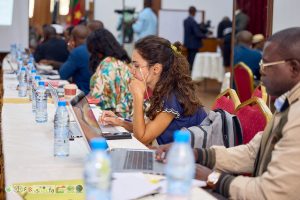
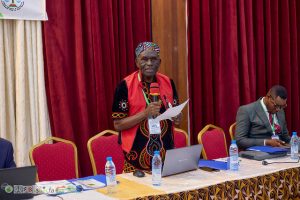
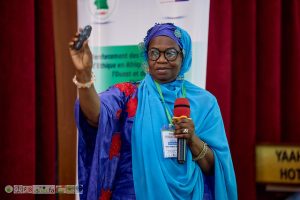
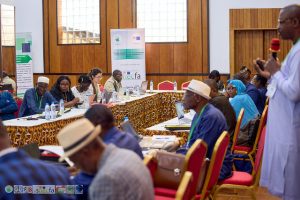
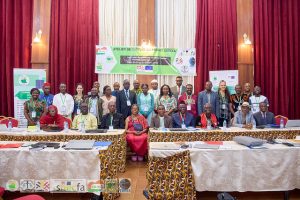
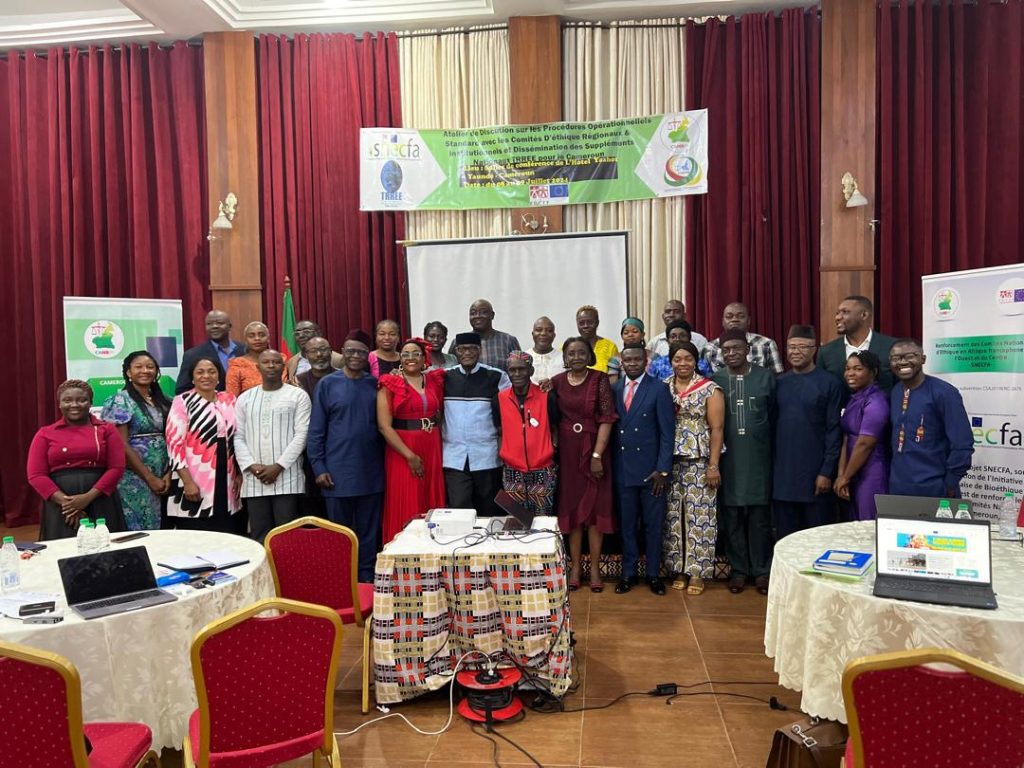
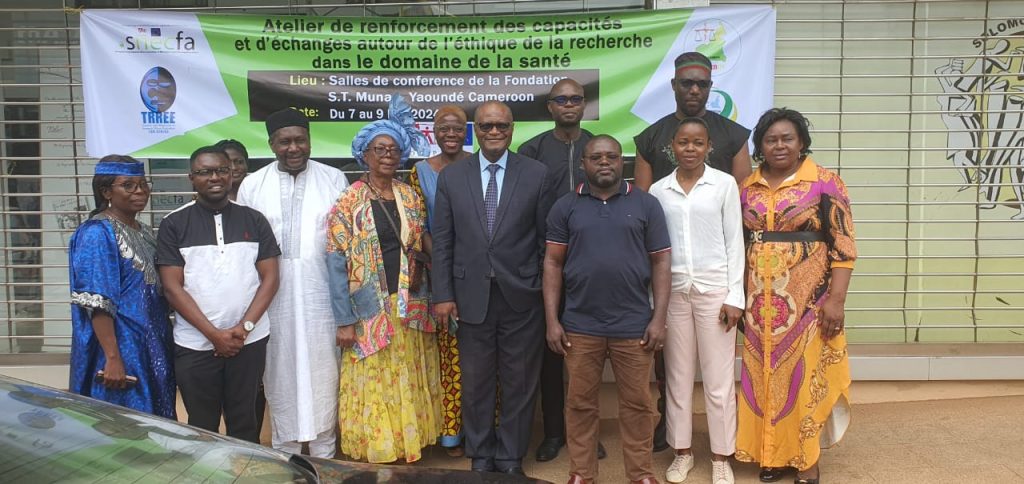
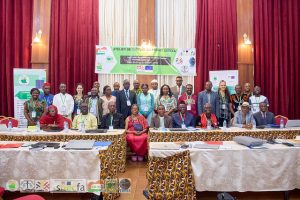
The SNECFA project which is an EDTCP funded project concluded with a successful closing workshop in Yaoundé, Cameroon that ran from the 1 st to the 3 rd of October 2024. The workshop brought together representatives from the national ethics committees of Cameroon, Chad, Niger, Mali, Guinea Conakry, Democratic Republic of Congo as well as experts from the Cameroon Bioethics Initiative (CAMBIN) and a representative from the European and Developing Countries
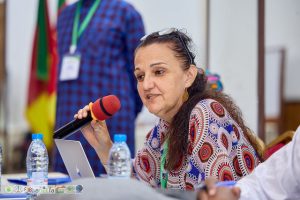
Clinical Trials Partnership (EDCTP).

The workshop focused on reviewing the project’s  achievements, challenges, and future perspectives. Dr. Mbih Jerome Tosam, the Project Coordinator highlighted the project’s successes, Challenges and Future Perspectives in strengthening the capacity of national ethics committees.

  • Key Achievements of the SNECFA Project:
    Capacity Building: The project successfully organized training workshops in all four countries on the basic principles of health research ethics and developed online training modules based on the TTREE model.
  • Collaboration: The project fostered collaboration among the participating countries and facilitated the sharing of experiences and best practices.
  • Clinical Trial Communities: Three of the four countries involved now have online platforms for health research ethics.
  • Standard Operating Procedures: The project supported the development of standard operating procedures for the evaluation of research protocols.

Challenges and Future Perspectives:
Despite the project’s successes, several challenges were identified, including poor attendance at steering committee meetings, cumbersome procedures for transferring funds, and political instability in some countries. Moving forward, the project will focus on developing standard operating procedures at the regional level, promoting international collaboration, and ensuring the inclusivity of national ethics committees.

EDCTP’s Role
The EDCTP, played a crucial role in funding and supporting the SNECFA project. Nuraan Fakier, Project Officer at the EDCTP, highlighted the organization’s work in funding research projects focused on reducing the economic burden of infectious diseases and improving health security. She also shared information on the Eligibility Criteria for EDCTP funding and The EDCTP’s  Work Program.

Nuraan responded to questions about deadlines for submitting project proposals, stating that the EDCTP 2 is closed and that proposals should be submitted for EDCTP 3. She clarified that while a national ethics committee is required, institutional ethics committees can also be involved in EDCTP projects.She also encouraged joint applications from national ethics committees and regulatory authorities to strengthen collaboration and improve the efficiency of the review process.

Other Presentations
In addition to the project overview, the workshop featured presentations on various topics
including:

  • Historical Overview of Research Ethics: Professor Tangwa provided a historical overview of research ethics, highlighting key developments and ethical principles.
  • Genetically Modified Crops: Professor Vincent Titanji discussed the ethical implications of genetically modified crops and their impact on agriculture and biodiversity.
  • Researcher Perceptions: There were presentations on researchers' perceptions of ethics committees, highlighting the need for improved communication and clearer directives.
  • Challenges and Solutions: Participants discussed the challenges of delays, conflicts of interest, and differing perspectives between ethics committees and researchers. Potential solutions included improving communication, simplifying processes, and providing training.
  • Data Protection: Dr. Nchangwi Synthia Munang presented on data protection laws in Africa and their implications for health research. She emphasized the importance of data confidentiality, storage limitations, and obtaining informed consent.
  • National Ethics Committees: The National Ethics Committees presented their experiences with the SNECFA project, including challenges and successes.
  • Capacity Building: Participants discussed the need for capacity building in clinical trials and the importance of training researchers and ethics committee members. Overall, the closing workshop provided a valuable platform for participants to share experiences, identify challenges, and discuss strategies for improving the collaboration between national ethics committees and researchers.

The workshop concluded with discussions on potential areas for future collaboration, including the publication of a special issue on strengthening health research capacity in Francophone West and Central Africa and targets to expand the SNECFA project to
include more countries


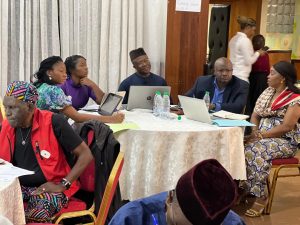
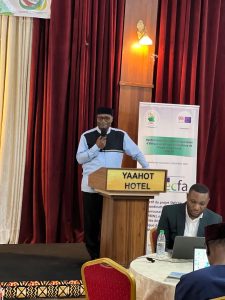
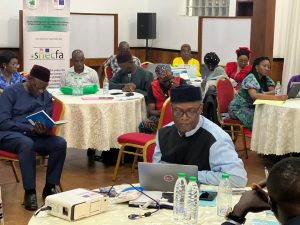
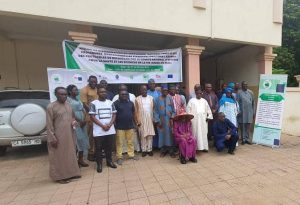
Workshop Pictures

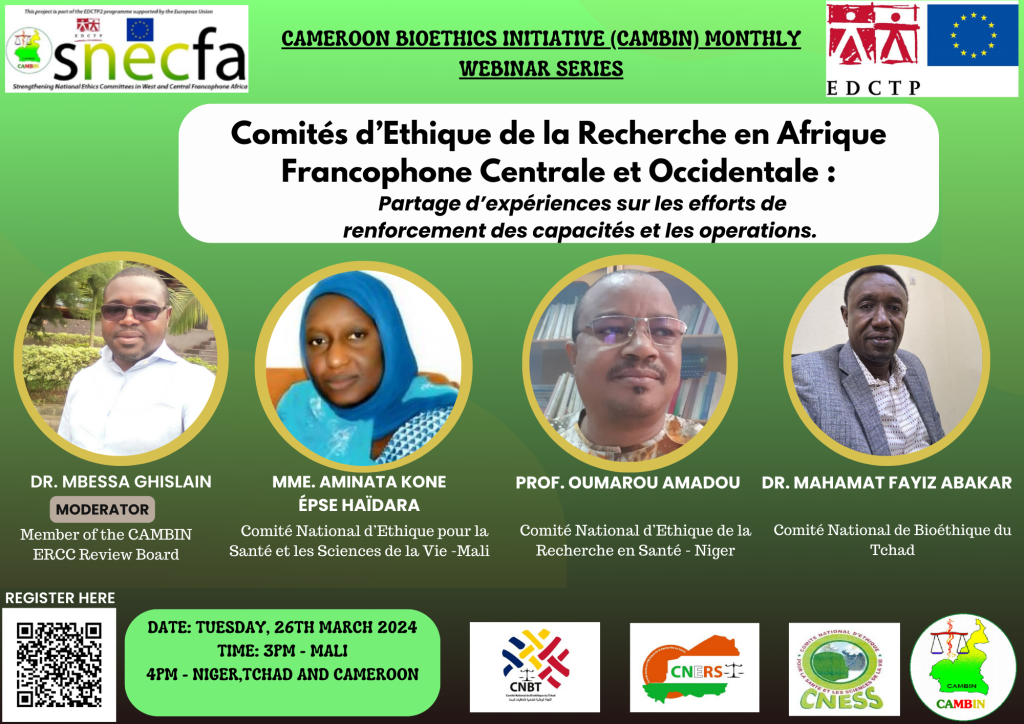
CAMBIN Webinar Series 2: Research ethics committees in French-speaking Central and West Africa: experience-sharing on capacity-building efforts and operations

By News, TrainingsNo Comments

CAMBIN Webinar Series 2: Research ethics committees in French-speaking Central and West Africa: experience-sharing on capacity-building efforts and operations 


The second edition of the CAMBIN webinar series took place on Tuesday, 23rd February 2024 via Zoom under the theme “Research ethics committees in French-speaking Central and West Africa: experience-sharing on capacity-building efforts and operations .” This webinar was moderated by Dr. Ghislain Mbessa,  member of CAMBIN and lecturer at the University of Douala. He welcomed attendees and introduced the speakers.

Dr. Fayiz Mahamat, chairperson of the Comité National de Bioéthiques du Tchad (CNBT) was the first speaker. He started his presentation by mentioning that  CHAD has ratified the three UNESCO conventions: Universal Declaration on the Human Genome and Human Rights (1997) ; International declaration on human genetic data(2003); and the Universal Declaration on Bioethics and Human Rights (2005). He added that the National Bioethics Committee of Chad (CNBT) was created in 2010 with the support of UNESCO and is placed under the supervision of the Ministry of Higher Education. 

Dr. Fayiz went further to talk on the principal mission of CNBT which is to help the country to warn populations against harmful practices and experiments, and to preserve  the environment ; Provide advice to decision-makers on ethical, legal, scientific and social issues relating to research projects  research involving human beings; Contribute to the development of guiding principles on Bioethics issues; and Promote public debate, education and awareness in matters of Bioethics. He added that CNBT meets once every quarter and sometimes in an extraordinary meeting upon convocation of the president.  

On Capacity building effort, Dr. Fayiz mentioned that the CNBT has benefited from the Assisting Bioethics Committees (ABC)  program by UNESCO. On the basis of this program, the committee has benefited from several  training seminars. He added that CNBT has  also benefitted from the EDTCP funded project – SNECFA hosted by the Cameroon Bioethics Initiative -CAMBIN. He explained that through the SNECFA project, CNBT  has taken part in training workshops on health research ethics and has also had the opportunity to exchange and consult with the Health Ethics Committee of Cameroon during a joint workshop that was organized in Cameroon. This joint workshop provided an opportunity for the  two committees to draft a joint exchange and collaboration plan. Through the SNECFA project, CNBT has also had the opportunity to participate in online conferences, develop their Standard operating procedures and engage consultants to support them.  

On Challenges, he mentioned that even though a budget line has been granted to the CNBT,  disbursement remains a challenge. He also mentioned the lack of a law on bioethics; unavailability of members during the different sessions; Gender aspect; Insufficient rolling stock, Lack of a permanent secretariat team; and  Lack of monitoring of protocols in the field 

He concluded his presentation by sharing some of Opportunities for the CNBT such as the  Introduction of a module on Bioethics at universities – the establishment of a specialized Master’s degree in bioethics at the University of N’Djamena, and Capacity building of members in the review of clinical trials 

The second speaker was Mme Haidara Aminata Kone, Assistant Permanent Secretary at the Comité National d’Ethique pour la Santé et les Sciences de la Vie (CNESS), Mali. In her presentation she stated that CNESS is a consultative body created under the authority of the Minister of Health by decree n°02-200/PRM of April 22, 2002. The CNESS is a multidisciplinary group made up of 37 members: 03 personalities appointed by the President of the Republic; 04 scientific personalities appointed by the institutions of the republic (General Assembly, Supreme Court, Prime Minister’s Office, High Economic, Social and Cultural Council); 14 from ministries; 2 from associations,; 3 religious congregations; 4 from professional orders, 2 from CIE; 5 research institutions. 

On the activities of the committee, she mentioned that this is mainly done through referrals. Referrals to the Committee may be made directly by the President of the Republic, the Prime Minister, senior authorities or any Malian national with the right to do so.  The Committee may refer matters to itself by self-referral. She further went on to explain the mission of the CNESS which includes; Examining research protocols in all fields; Issuing opinions on current ethical issues raised by advancements in knowledge in various fields; and Producing recommendations for the management of internal conflicts within public institutions. 

On some of the activities carried out by CNESS, Meme Haidara mentioned: Organising of Public conferences to raise awareness on the missions and achievements of CNESS; Attending training workshops on ethics; Attending Local, sub-regional and international conferences on ethical and bioethical issues; and Collaborating with other Regional ethics committees to build capacity. 

On the contributions of the SNECFA project in building the capacity of CNESS members, Mme Haidara stated that a partnership agreement was signed on the 26th of June 2021 by Mali to be a part of the SNECFA Project. Through this project, CNESS has taken part in steering committee meetings, has been part of the process for the development and validation of the collaboration plan between Mali’s CNESS and Niger’s CNERS; Registration with IRB and FWA; Elaboration of SOPs; Capacity building and experience sharing between CNEs in Mali and Niger; Registration on Health Research Web Africa 

On the impact of the SNECFA project, she mentioned the experience sharing with other regional ethics committees, IRB (IORGOOI 1492) and FWA (FWA00032832 ) registration;   the Elaboration and implementation of SOPs; Strengthened communication through different channels (WhatsApp, email, telephone …)

She ended her presentation by sharing some of the opportunities that exist such as a continued partnership with the SNECFA project to strengthen the capacities of the regional ethics committees, Promoting partnership with other RECs; Collaboration and cooperation between French-speaking African Regional Ethics Committee to standardize research and ethics guidelines in West Africa. 

The last speaker for the day was Prof. Amadou Oumarou, a Member of  Comité National d’Ethique pour la Recherche en Santé (CNERS. ). His presentation focused on the composition and functioning of CNERS, Capacity building efforts received as a result of the SNECFA project and others from other partners; and the major challenges of the Committee. He stated that the CNESS is a committee that is quite recent compared to the other ethics committees and has undergone an institutional evolution, in the sense that at the beginning it was a national ethics consultative council that managed protocols. This was replaced by the current committee, which was created in 2016 and is now composed of 12 members who all come from different disciplines and different sectors of activity like the Ministry of Justice, Ministry of Health, and Universities. Beyond that, some people are from Islamic and Christian associations; and from civil society. 

Prof Oumarou went ahead to present the mission of the CNERS, which includes safeguarding the dignity, rights, security, and well-being of those involved in health research; proceeding with an independent, competent, and diligent examination of the ethical aspects of health research involving human beings and data on life; following up the implementation of the protocols that have been examined and making sure that researchers know the rules of deontology; to understand all the ethical problems at the national level and to make proposals to the State to be able to make the necessary decisions. 

On the impact of the SNECFA project, he mentioned that the trainings received  have been very useful most especially the trainings on health research ethics, and the development of standard operating procedures. He added that the SNECFA project has helped the committee to have its standard operating procedures and has strengthened the capacity of several members through the TRREE online training on health research ethics. The CNERS members also had the opportunity to prepare and share presentations which was a great experience for the members. The committee also as a result of the SNECFA project got to complete their Federal Wide Assurance registration. Prof Oumarou also added that the SNECFA project allowed them to exchange and collaborate with the National Ethics Committee of Mali-CNESS and also travel to Mali to listen and learn from their experiences. He also mentioned some other capacity-strengthening workshops that they benefited from organized by the University of Zaragoza.

On Challenges, he mentioned capacity building which is mainly due to the fact that there were some changes within the CNERS with 50% of the members now being new members. He added that they will have to undergo the same training as the others so as to improve on their operations. He also mentioned many members have not yet completed their TRREE training online training and gotten their certifications. Another challenge he mentioned was the need to share experiences and collaborate with other sub-regional ethics committees. He equally cited the lack of a permanent secretariat for the committee to meet and carry out their activities. As at now, the committee is currently anchored at the level of the Ministry of Health, where they are provided  a room to do their activities

A Q&A session  followed the presentations and participants asked questions and share comments on some of the points raised by presenters. 


CAMBIN Webinar Series 1: The process of obtaining ethics approval for your research in Cameroon

By News, TrainingsNo Comments

CAMBIN Webinar Series 1: The process of obtaining ethics approval for your research in Cameroon


The first edition of the CAMBIN webinar series took place on Tuesday, 23rd February 2024 via Zoom under the theme “The process of obtaining ethics approval for your research in Cameroon.” This webinar was moderated by Dr. Cynthia Nchangwi, member of the CAMBIN Ethics Review Committee who welcomed attendees and introduced the speakers.


The first speaker of the day was Mr Ngu Paul who is the Focal Point for the Research Ethics Committees at DROS. Mr Ngu focused his presentation on the representation of research ethics committees in Cameroon, the Obligation to enter an EC and AR, and the challenges and proposed solutions to research ethics in Cameroon. He started by defining the aim of research ethics committees which is for the review, approval, and monitoring of research ethics protocols including humans. He also explained the structure of the research ethics committees in Cameroon like the National Ethics Committee which is responsible for research projects that cover more than one region; Regional Ethics Committees which focus on projects that are carried out within a particular region; and Institutional Ethics Committees which are responsible for research carried out within an institution. 

Mr Ngu also mentioned the obligations for a research project to be carried out like the obtention of an ethical clearance and an administrative authorization for health research. The ethical clearance is obtained from the Ethics Committees while the administrative authorization is by the Division of Health Research Operations (DROS)

On the challenges of research ethics review, he mentioned the setting up of Institutional Review Boards for Private Institutions which are not very often regulated, and the lack of administrative authorization in regions for researchers who get ethical clearance in their regions from a regional ethics committee. 

He concluded his presentation by emphasizing the need to put in place regulatory text or applicable instruments that will permit the simplification and easy understanding of the 2022 law on medical research taking into consideration the different challenges of research ethics committees.  

The second speaker was Dr. Evleyn Lumngwena, a member of the Cambin ERCC committee and her presentation focused on the process of getting a research ethics clearance in Cameroon using the CAMBIN – ERRC application for Ethical Clearance. In her presentation, she went through the application process by navigating the ERCC website and shared details on the requirements for submitting a protocol and the online submission process. She also drilled participants on the different types of Ethics Reviews which include; Expediated review, Rapid review, Normal Ethics Review, Ethics Waiver, and Amendments. She added that ERCC now requires researchers to do the Training and Resources in Research Ethics Evaluation(TRREE) Module One online training which is FREE for Africans. 

On the types of research requiring approval from ERCC, she mentioned research done for degree purposes, self-initiated projects within an institution, and those done as part of international collaboration. 

Dr Evelyn also emphasized that researchers who get their CAMBIN ethics approval must get the necessary administrative approvals before beginning their research. Researchers must also submit yearly reports on the progress of their research and if they require renewal, must submit a request for renewal. Adverse events must be communicated and the closure of the research must be communicated. 

The last speaker for the day was Dr.  Elsy Wels, a Member of the CAMBIN ERCC Committee, and her presentation focused on the challenges of Ethics review and how to avoid common mistakes drawing from the experiences of the CAMBIN Ethics Committee. She started by mentioning some of the ways researchers can avoid delays in their review process such as meeting application deadlines, following application instructions, and tailoring the application to the reviewer. Dr. Elsy also added that student protocols should also be accompanied by a PI report that is less than 3 months and should be approved by their supervisor. For International Collaborations, the resumes of the Local PI must be included and clearance should be obtained from an international site. She concluded by saying that it is completely unacceptable to request clearance when data has already been collected. The consequence of this is a rejection.

 A Q&A session moderated by Prof. PK Titanji. followed the presentations and participants asked questions to clarify certain points raised by the speakers. At the end of this, Prof Titanji in his concluding works mentioned that the ethics approval landscape in Cameroon is still evolving. He also urged participants to fill out the evaluation forms that will be shared to them later.


SNECFA Project – CNERSH Dissemination Workshop

By News, TrainingsNo Comments

SNECFA Project – CNERSH Dissemination Workshop

Yaoundé, Cameroon – The CNERSH Dissemination workshop organized under the SNECFA project brought together key stakeholders in health research from Cameroon to discuss and disseminate Standard Operating Procedures (SOPs) for ethical review and the TRREE national supplement.
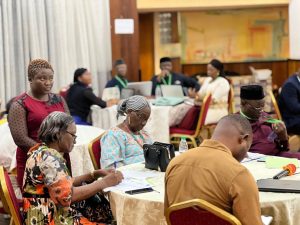
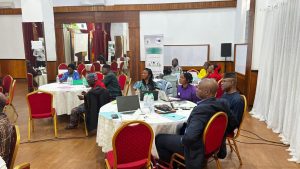
Key Objectives:

  • Share knowledge and best practices in health research ethics.
  • Strengthen the capacity of national and institutional ethics committees.
  • Disseminate the TRREE national supplement for Cameroon.
  • Foster collaboration among stakeholders in the health research community.

Key Highlights of the Workshop:

  • CAMBIN’s Role: The workshop highlighted the crucial role of the Cameroon Bioethics Initiative (CAMBIN) in promoting ethical research. The ERCC, a key component of CAMBIN, was discussed in detail, including its review processes, challenges, and strategies for improvement.
  • WHO Guidelines: Participants explored the World Health Organization’s guidelines for ethical review, emphasizing the importance of responsible research conduct and protecting the rights of research participants.
  • CNERSH’s SOPs: The National Ethics Committee for Health Research on Humans (CNERSH) presented its SOPs, outlining the procedures for reviewing research protocols, addressing ethical concerns, and ensuring compliance with international standards.
  • TRREE National Supplement: The TRREE national supplement for Cameroon was discussed, highlighting its role in providing guidance on ethical review and capacity building.
  • Challenges and Opportunities: The workshop addressed challenges faced by ethics committees, such as limited resources, workload, and the need for continuous capacity building. Participants discussed strategies to overcome these challenges and improve the efficiency of the review process.
  • Collaboration and Knowledge Sharing: The event fostered collaboration among researchers, ethics committee members, and regulatory authorities. Participants shared experiences and best practices, aiming to strengthen the ethical review system in Cameroon.

The SNECFA project and the workshop  laid the foundation for a stronger ethical review system in Cameroon. By implementing the SOPs, utilizing the TRREE national supplement, and fostering collaboration, the country can ensure that research is conducted ethically and responsibly.

SNECFA Project: CNESS Dissemination Workshop in Mali

By News, TrainingsNo Comments

SNECFA Project: CNESS Dissemination Workshop in Mali

Bamako, Mali – The CNESS Dissemination workshop organized under the SNECFA project brought together key stakeholders in health research from Mali to disseminate the Standard Operating Procedures (SOPs) and TRREE national supplement developed for the country.
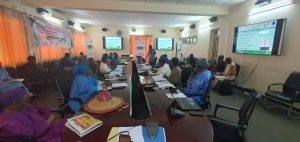
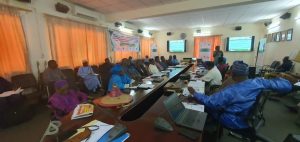
Key Objectives:

  • Share knowledge and best practices in health research ethics.
  • Disseminate the SOPs and TRREE national supplement to national and international stakeholders.
  • Strengthen the capacity of the National Committee for Health and Life Sciences (CNESS).
  • Foster collaboration among stakeholders in the health research community.

Key Discussions and Outcomes:

  • CAMBIN’s Role: The workshop highlighted the role of CAMBIN in promoting ethical research practices in Africa and its collaboration with national ethics committees.
  • CNESS SOPs: Participants discussed the CNESS SOPs, which outline the committee’s structure, functions, and review processes.
  • TRREE National Supplement: The workshop introduced the TRREE national supplement for Mali, which provides guidance on ethical review and capacity building.
  • Challenges and Recommendations: Participants discussed challenges faced by the CNESS, such as resource constraints and the need for capacity building. Recommendations were made to address these challenges, including strengthening the committee’s capacity, improving communication with researchers, and promoting ethical research practices.

Looking Ahead:

The workshop served as a valuable platform for knowledge sharing and capacity building in the field of health research ethics in Mali. By implementing the recommendations and utilizing the resources provided by the SNECFA project, the CNESS can further strengthen its ethical review processes and contribute to the advancement of ethical and responsible research in the country.

SNECFA Project:  CNERSH Capacity Building Workshop in Cameroon

By News, TrainingsNo Comments

SNECFA Project:  CNERSH Capacity Building Workshop in Cameroon

Yaoundé, Cameroon – A recent workshop organized by the SNECFA project brought together key stakeholders in health research from Cameroon to strengthen the capacity of the National Ethics Committee for Health Research on Humans (CNERSH). The event aimed to enhance the committee’s understanding of ethical principles, improve its review processes, and foster collaboration among stakeholders.
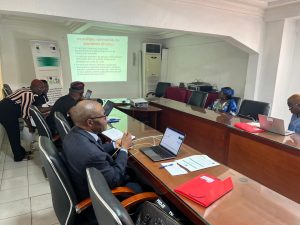
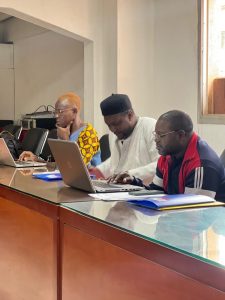
Key Objectives:

  • Strengthen the capacity of CNERSH members.
  • Disseminate knowledge on health research ethics.
  • Foster collaboration among stakeholders in the health research community.

Key Discussions and Outcomes:

  • CAMBIN’s Role: The workshop highlighted the role of CAMBIN in promoting ethical research practices in Africa and its collaboration with national ethics committees.
  • CNERSH’s Role: Participants discussed the CNERSH’s role in ensuring the ethical conduct of research in Cameroon and the importance of adhering to international ethical guidelines.
  • Ethical Principles and Guidelines: The workshop explored fundamental ethical principles, such as autonomy, beneficence, non-maleficence, and justice, and their application to health research.
  • Vulnerability in Research: Participants discussed the specific vulnerabilities of African populations and the need to address them in research.
  • Public Health Emergencies: The workshop explored the challenges and best practices for ethical review during public health emergencies.
  • Capacity Building: The workshop emphasized the importance of continuous capacity building for CNERSH members to stay updated on ethical guidelines and best practices.

Looking Ahead:

The workshop served as a valuable platform for knowledge sharing and capacity building in the field of health research ethics in Cameroon. By implementing the recommendations and utilizing the resources provided by the SNECFA project, the CNERSH can further strengthen its ethical review processes and contribute to the advancement of ethical and responsible research in the country.

SNECFA Project:  CNERS Dissemination Workshop in Niger

By News, TrainingsNo Comments

SNECFA Project:  CNERS Dissemination Workshop in Niger

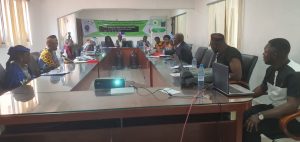
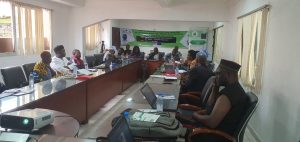
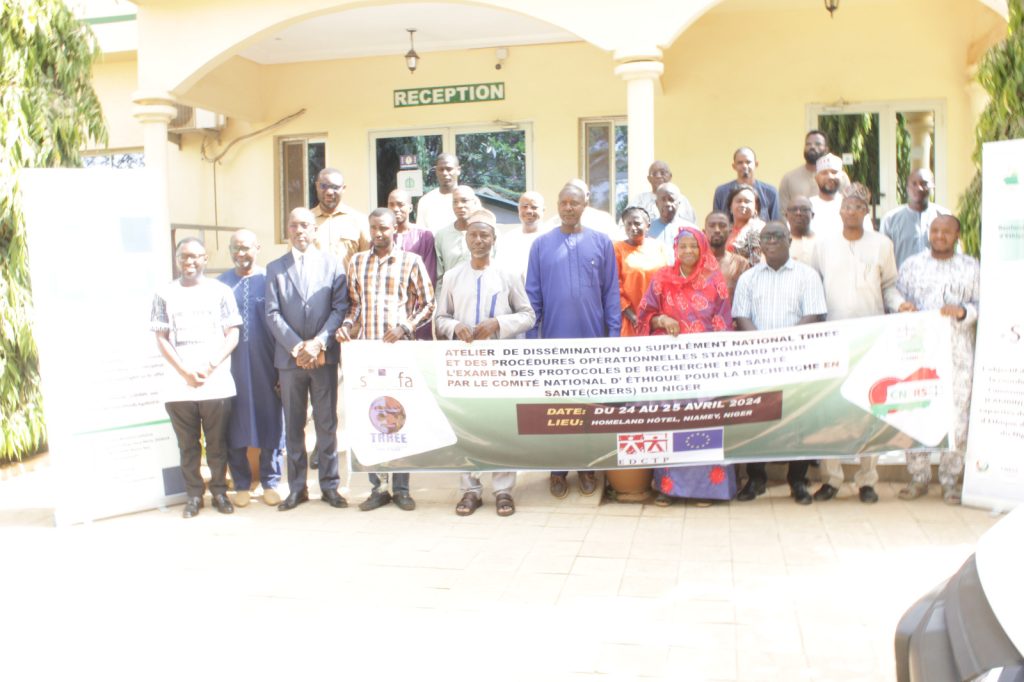
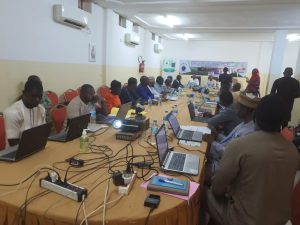
Niamey, Niger – A recent workshop organized by the SNECFA project brought together key stakeholders in health research from Niger to disseminate the Standard Operating Procedures (SOPs) and TRREE national supplement. The event aimed to enhance the capacity of the National Ethics Committee for Health Research (CNERS) and promote ethical research practices.
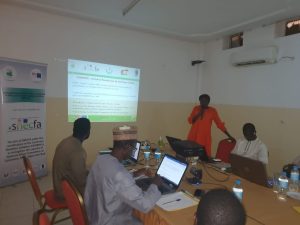
Key Objectives:

  • Disseminate the SOPs and TRREE national supplement.
  • Strengthen the capacity of CNERS members.
  • Foster collaboration among stakeholders in the health research community.

Key Discussions and Outcomes:

  • CAMBIN’s Role: The workshop highlighted the role of CAMBIN in promoting ethical research practices in Africa and its collaboration with national ethics committees.
  • CNERS SOPs: Participants discussed the CNER’s SOPs, which outline the committee’s structure, functions, and review processes.
  • TRREE National Supplement: The workshop introduced the TRREE national supplement for Niger, which provides guidance on ethical review and capacity building.
  • Challenges and Recommendations: Participants discussed challenges faced by the CNERS, including resource constraints, lack of awareness, and slow review processes. Recommendations were made to address these challenges, such as increasing the committee’s visibility, streamlining the review process, and providing adequate funding.

Looking Ahead:

The workshop served as a valuable platform for knowledge sharing and capacity building in the field of health research ethics in Niger. By implementing the recommendations and utilizing the resources provided by the SNECFA project, the CNERS can further strengthen its ethical review processes and contribute to the advancement of ethical and responsible research in the country.

SNECFA Project: CNBT Dissemination Workshop in Chad

By News, TrainingsNo Comments

SNECFA Project: CNBT Dissemination Workshop in Chad

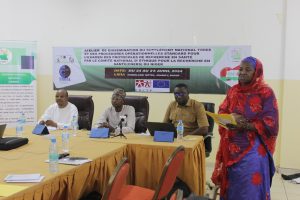
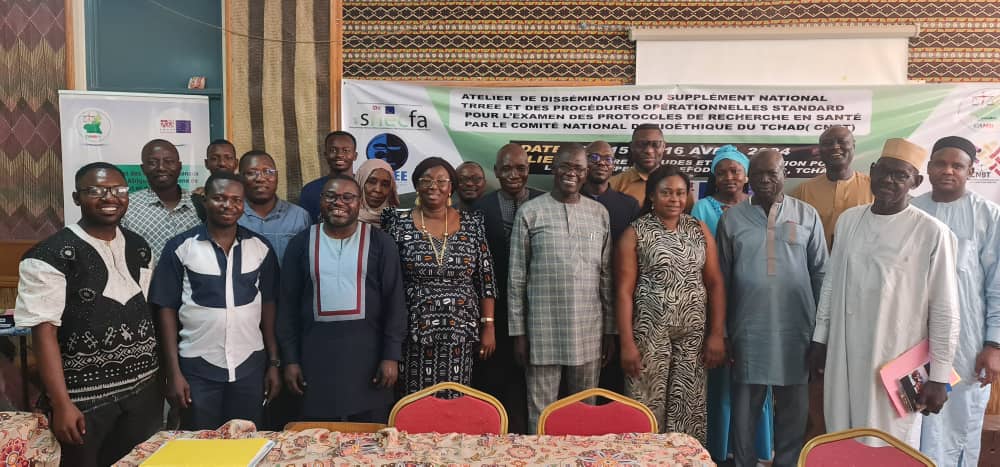
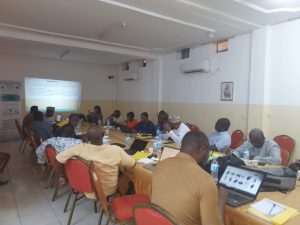
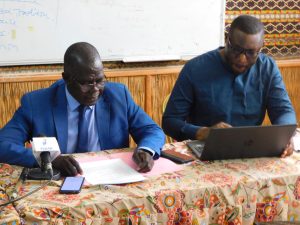
N’Djamena, Chad – A recent workshop organized by the SNECFA project brought together key stakeholders in health research from Chad to disseminate the Standard Operating Procedures (SOPs) and TRREE national supplement. The event aimed to enhance the capacity of the National Bioethics Committee of Chad (CNBT) and promote ethical research practices.
Key Objectives:

  • Disseminate the SOPs and TRREE national supplement.
  • Strengthen the capacity of CNBT members.
  • Foster collaboration among stakeholders in the health research community.

Key Discussions and Outcomes:

  • CAMBIN’s Role: The workshop highlighted the role of CAMBIN in promoting ethical research practices in Africa and its collaboration with national ethics committees.
  • CNBT SOPs: Participants discussed the CNBTS’s SOPs, which outline the committee’s structure, functions, and review processes.
  • TRREE National Supplement: The workshop introduced the TRREE national supplement for Chad, which provides guidance on ethical review and capacity building.
  • Challenges and Recommendations: Participants discussed challenges faced by the CNBT, including resource constraints, lack of awareness, and slow review processes. Recommendations were made to address these challenges, such as increasing the committee’s visibility, streamlining the review process, and providing adequate funding.

Looking Ahead:

The workshop served as a valuable platform for knowledge sharing and capacity building in the field of health research ethics in Chad. By implementing the recommendations and utilizing the resources provided by the SNECFA project, the CNBT can further strengthen its ethical review processes and contribute to the advancement of ethical and responsible research in the country.

CAMBIN-CNBT SOPs Workshop

By News, TrainingsNo Comments

CAMBIN-CNBT SOPs Workshop

Salle de réunion du CNESS, Bamako, Mali

31st May -1st June 2022


General Objective

The aim of this workshop was to support the NEC of Mali in writing their SOPs for the review of research protocols during routine and emergency health situations. This workshop also sought to raise national awareness among stakeholders in the health and research sectors about the SNECFA project. 

Format of the Workshop

The discussions and training for each of the two days were focused on a specific theme as follows.

Day One: The Nature of SOPs 

Day Two: Development of CNESS SOPs – Practical session


Day One – The Nature of Standard Operational Procedures (SOPs) (May 31st, 2022)

On day 1, there were two main presentations done. One by Dr Odile Missi on the WHO guidelines for Standard Operational Procedures  and another by Dr. Chi Prumus who gave a Presentation on CAMBIN’s Standard Operational Procedures.


Day Two: Development of CNESS Standard Operational Procedures (SOPs) (June 1st 2022) 

Day 2 focused on working group discussions. Using the CAMBIN sample SOP,  4 different working groups worked on developing the CNERS SOP based on the different sections that they were assigned.  Once all the different sections were received, the SOP was then harmonised into one document and given to one of the CNERS member for presentation. CNERS members had to review the entire documents for omissions or corrections as it was presented.