SNECFA Project Closes Successfully in Yaounde, Cameroon
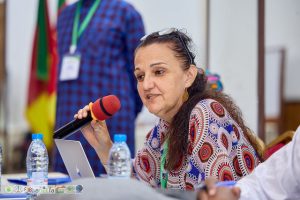
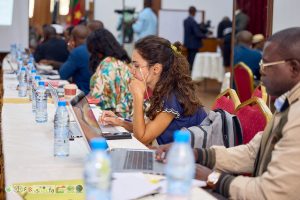
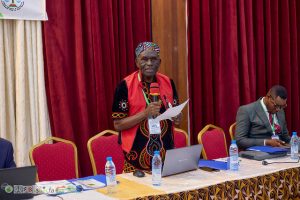
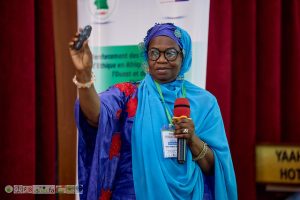
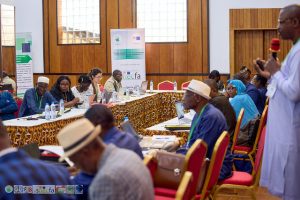
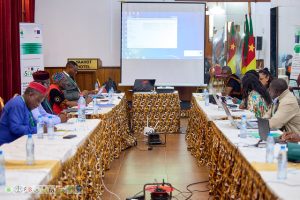
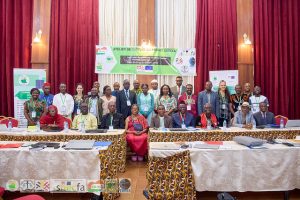
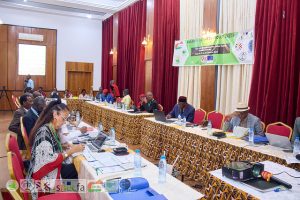
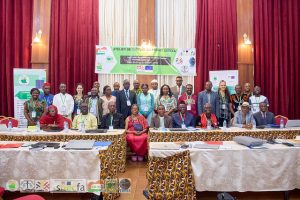 The SNECFA project which is an EDTCP funded project concluded with a successful closing workshop in Yaoundé, Cameroon that ran from the 1 st to the 3 rd of October 2024. The workshop brought together representatives from the national ethics committees of Cameroon, Chad, Niger, Mali, Guinea Conakry, Democratic Republic of Congo as well as experts from the Cameroon Bioethics Initiative (CAMBIN) and a representative from the European and Developing Countries
Clinical Trials Partnership (EDCTP).
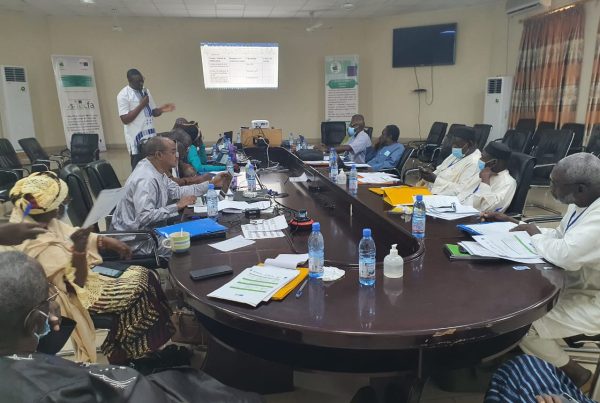
The workshop focused on reviewing the project’s achievements, challenges, and future perspectives. Dr. Mbih Jerome Tosam, the Project Coordinator highlighted the project’s successes, Challenges and Future Perspectives in strengthening the capacity of national ethics committees.
- Key Achievements of the SNECFA Project:
Capacity Building: The project successfully organized training workshops in all four countries on the basic principles of health research ethics and developed online training modules based on the TTREE model. - Collaboration: The project fostered collaboration among the participating countries and facilitated the sharing of experiences and best practices.
- Clinical Trial Communities: Three of the four countries involved now have online platforms for health research ethics.
- Standard Operating Procedures: The project supported the development of standard operating procedures for the evaluation of research protocols.
Challenges and Future Perspectives:
Despite the project’s successes, several challenges were identified, including poor attendance at steering committee meetings, cumbersome procedures for transferring funds, and political instability in some countries. Moving forward, the project will focus on developing standard operating procedures at the regional level, promoting international collaboration, and ensuring the inclusivity of national ethics committees.
EDCTP’s Role
The EDCTP, played a crucial role in funding and supporting the SNECFA project. Nuraan Fakier, Project Officer at the EDCTP, highlighted the organization’s work in funding research projects focused on reducing the economic burden of infectious diseases and improving health security. She also shared information on the Eligibility Criteria for EDCTP funding and The EDCTP’s Work Program.
Nuraan responded to questions about deadlines for submitting project proposals, stating that the EDCTP 2 is closed and that proposals should be submitted for EDCTP 3. She clarified that while a national ethics committee is required, institutional ethics committees can also be involved in EDCTP projects.She also encouraged joint applications from national ethics committees and regulatory authorities to strengthen collaboration and improve the efficiency of the review process.
Other Presentations
In addition to the project overview, the workshop featured presentations on various topics
including:
- Historical Overview of Research Ethics: Professor Tangwa provided a historical overview of research ethics, highlighting key developments and ethical principles.
- Genetically Modified Crops: Professor Vincent Titanji discussed the ethical implications of genetically modified crops and their impact on agriculture and biodiversity.
- Researcher Perceptions: There were presentations on researchers' perceptions of ethics committees, highlighting the need for improved communication and clearer directives.
- Challenges and Solutions: Participants discussed the challenges of delays, conflicts of interest, and differing perspectives between ethics committees and researchers. Potential solutions included improving communication, simplifying processes, and providing training.
- Data Protection: Dr. Nchangwi Synthia Munang presented on data protection laws in Africa and their implications for health research. She emphasized the importance of data confidentiality, storage limitations, and obtaining informed consent.
- National Ethics Committees: The National Ethics Committees presented their experiences with the SNECFA project, including challenges and successes.
- Capacity Building: Participants discussed the need for capacity building in clinical trials and the importance of training researchers and ethics committee members. Overall, the closing workshop provided a valuable platform for participants to share experiences, identify challenges, and discuss strategies for improving the collaboration between national ethics committees and researchers.
The workshop concluded with discussions on potential areas for future collaboration, including the publication of a special issue on strengthening health research capacity in Francophone West and Central Africa and targets to expand the SNECFA project to
include more countries
Workshop Pictures